South African Starchy Foods You Can Enjoy as Part of a Healthy Diet
Starchy foods often get a bad reputation, especially when people are trying to change the way they eat. But cutting out pap, potatoes, samp, bread or other carbohydrates altogether is not necessary for healthy eating.
In fact, South Africa’s Food-Based Dietary Guidelines recommend making starchy foods part of most meals, with an emphasis on minimally processed and whole-grain options.
The key is what you choose, how it is prepared and what you eat alongside it.
1. Pap and maize meal
Pap is a staple in many South African households and can absolutely form part of a balanced meal. When possible, choose less-refined or whole-grain maize meal and pay attention to the amount served.
Instead of making pap the entire meal, pair it with vegetables and a protein such as beans, lentils, eggs, chicken or fish.
2. Sweet potatoes
Sweet potatoes are another nutritious South African-friendly starch. They provide carbohydrates for energy and can be enjoyed boiled, steamed or roasted.
They are a particularly useful option when you want a meal that combines a starchy food with vegetables and protein.
3. Potatoes
Potatoes do not need to be removed from your diet. Boiled, baked or roasted potatoes can be part of a balanced meal.
The preparation makes a difference. Deep-fried potatoes and chips add considerably more fat, while boiled or baked potatoes can be enjoyed with less added fat. South African dietary research similarly distinguishes minimally processed potatoes from deep-fried potato products.
4. Samp
Samp is a traditional South African staple and can be a satisfying addition to meals. Samp and beans is an especially useful combination because it brings together starchy food and legumes.
Keeping added fats moderate and including vegetables alongside the meal can help create a more balanced plate.
5. Beans and lentils
Beans, split peas and lentils are slightly different from traditional starches because they are also valuable sources of plant protein and fibre. South Africa’s dietary guidelines specifically recommend eating dry beans, split peas, lentils and soya regularly.
They can be added to samp, served in a bean salad or incorporated into stews and other everyday meals.
6. Whole-grain bread
Bread can also have a place in a healthy eating pattern. South African dietary guidance recommends whole grains and notes that fortified bread and maize products can provide important nutrients.
Whole-grain or brown bread can be paired with foods such as eggs, avocado, vegetables, beans or lean protein to make a more satisfying meal.
7. Oats
Oats are another minimally processed grain that can be used for breakfast or as part of other meals. Choose plain oats and add foods such as fruit, nuts or yoghurt rather than relying heavily on added sugar.
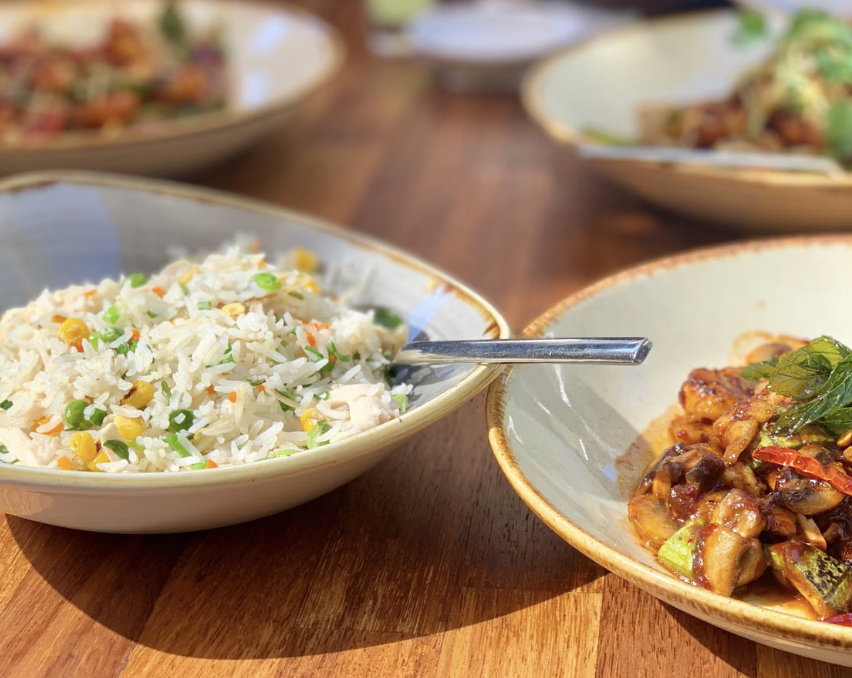
8. Rice
Rice can also form part of a balanced diet. Where possible, experiment with whole-grain varieties, but there is no need to treat ordinary rice as a forbidden food.
A useful approach is to serve a sensible portion alongside plenty of vegetables and a protein source.
9. Samp, sorghum and other whole grains
South Africa has a wide range of traditional grains and grain-based foods that can contribute to a varied diet. Sorghum, samp and other minimally processed whole grains can provide carbohydrates as well as dietary fibre and other nutrients.
The South African Journal of Clinical Nutrition notes that minimally processed starchy foods, whole grains, legumes and root vegetables can contribute important nutrients and fibre to the diet.
So, can you eat starch while trying to eat healthier?
Yes. Starchy foods are an important source of energy and do not automatically make a meal unhealthy. South African guidance specifically encourages minimally processed starchy foods while recommending that people limit added fat, sugar and salt.
Rather than eliminating starch, think about building a balanced plate: include a starchy food alongside vegetables and a protein source, and vary the foods you eat.
For example:
- Pap + spinach + chicken
- Samp and beans + vegetables
- Boiled sweet potato + eggs + vegetables
- Potato + grilled fish + salad
- Brown bread + eggs + tomato and avocado
- Oats + plain yoghurt + fruit
The goal is not to fear carbohydrates. It is to choose nourishing foods, enjoy variety and build meals that keep you adequately fuelled and satisfied.
Related Story: 5 Intermittent Fasting Side Effects That Might Mean It’s Not A Great Fit For You




news via inbox
Subscribe To Stay Updated