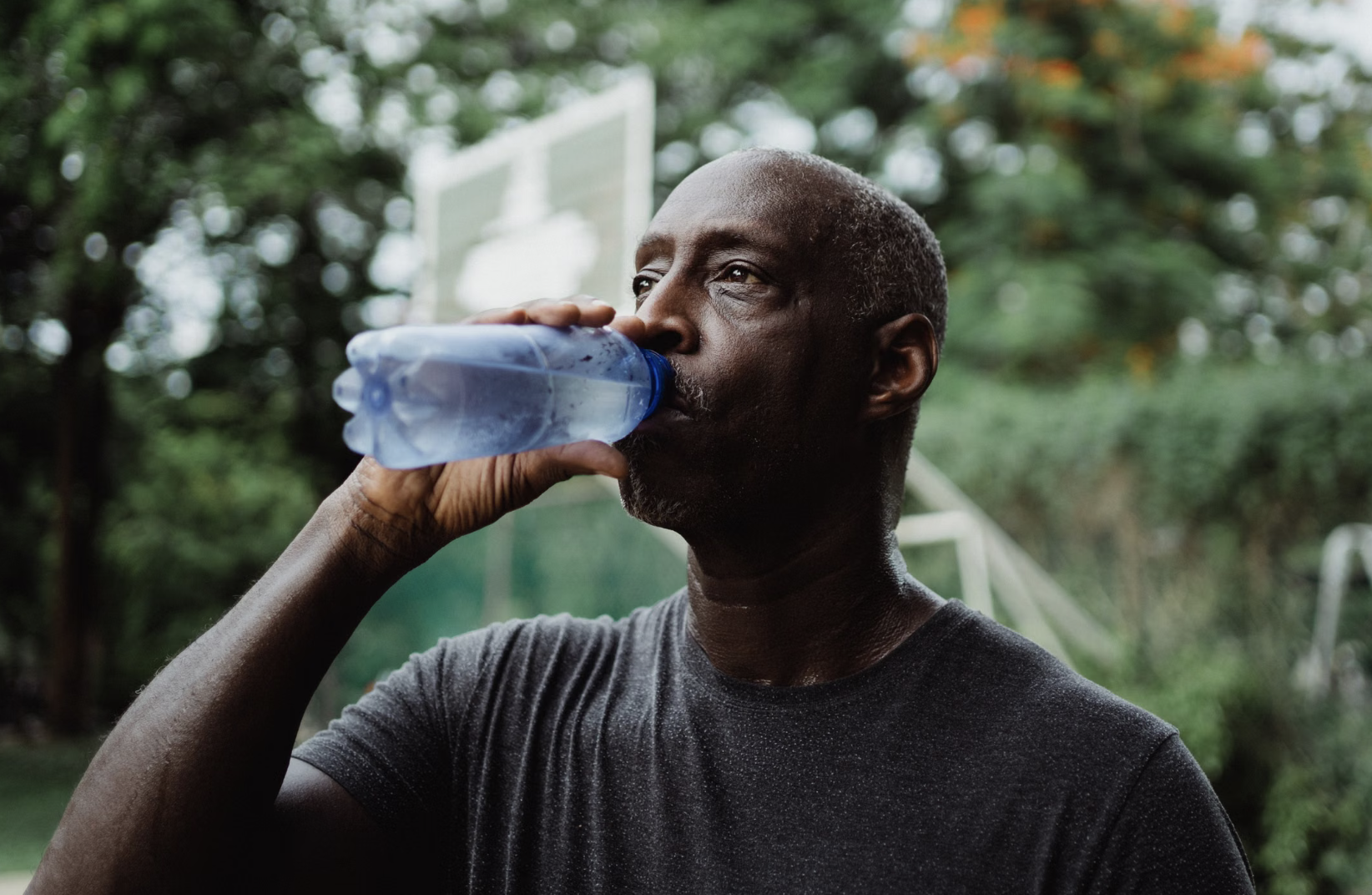
Do You Really Need Electrolytes to Be Fully Hydrated?
Electrolyte drinks have become almost synonymous with hydration. From gyms and running clubs to supermarkets and social media, electrolyte powders and drinks are marketed as the secret to staying properly hydrated. But do you really need electrolytes to be “fully hydrated”?
For most healthy people going about their normal day, the answer is no. Water remains the main ingredient needed for hydration, while electrolytes are minerals such as sodium and potassium that help regulate fluid balance, nerve function and muscle contraction.
The Institute of Medicine, now part of the National Academies, reviewed the evidence in its 2005 report Dietary Reference Intakes for Water, Potassium, Sodium, Chloride, and Sulfate, published by the National Academies Press in Washington, DC. The report explains that total water comes from drinking water, other beverages and food, and that healthy people can maintain normal hydration across a relatively wide range of water intakes.
That does not mean electrolytes are unnecessary. They become more relevant when the body is losing substantial amounts of fluid and salt, particularly during prolonged exercise, heavy sweating, extreme heat, vomiting or diarrhoea.
There is even South African research examining this question in athletes.
In a study published in the European Journal of Applied Physiology, researchers from the Medical Research Council and the University of Cape Town’s Bioenergetics of Exercise Research Unit at the Sports Science Institute of South Africa studied six cyclists exercising for 90 minutes in 32°C heat. The study, published as “Water and electrolyte shifts with partial fluid replacement during exercise”, found that both water and saline fluid reduced falls in plasma volume and lowered heart rate. The researchers concluded that replacing sodium losses was not necessarily required when athletes were only replacing part of their fluid losses.
A 2017 study, “Associations between dietary salt, potassium and blood pressure in South African adults”, published in Nutrition, Metabolism and Cardiovascular Diseases, analysed 24-hour urine samples from 526 South African adults participating in the WHO SAGE study. The researchers found a median salt intake of 6.8g a day, while 69% of participants consumed more than the recommended 5g of salt per day.
South Africa has subsequently introduced regulations to reduce sodium in processed foods. The National Department of Health lists the regulations as part of the country’s food-control framework, with amendments introduced between 2013 and 2019.
A 2021 study published in the journal Public Health Nutrition examined the effect of South Africa’s mandatory salt-reduction programme. Using 24-hour urine samples from participants in the WHO SAGE study, researchers found that overall salt intake fell by 1.15g per day after implementation of the interim legislation.
There are situations where electrolytes really matter. The World Health Organization’s 2006 guideline on Oral Rehydration Salts explains that diarrhoea causes the loss of both water and electrolytes and that oral rehydration solution, containing glucose and electrolytes, can effectively treat dehydration.
For everyday hydration, however, an electrolyte product is not a prerequisite for being hydrated.
Related Story: Coffee Drinkers May Have More Muscle And Less Body Fat, Study Finds




news via inbox
Subscribe To Stay Updated