How to Survive Allergy Season in South Africa: 7 Simple Ways to Manage Symptoms
Spring in South Africa brings warmer days, blooming gardens and longer hours outdoors, but for many people, it also marks the return of sneezing, itchy eyes, runny or blocked noses and other allergy symptoms.
Tree pollen levels often peak between August and October, while grass pollen can remain a problem from September through to March. This means allergy season can stretch across several months, making it difficult for people who suffer from seasonal allergies to avoid their triggers completely.
The good news is that a few simple changes can help reduce your exposure to pollen and make the season easier to manage.
- Check the pollen count
Before heading outdoors, check local pollen levels where monitoring is available. In Cape Town, the UCT Lung Institute monitors pollen levels, providing useful information for people who experience seasonal allergies. Checking pollen levels can help you plan outdoor activities for days or times when levels are lower.
- Keep windows closed
Pollen can easily enter your home and car, particularly on windy days. Keep windows and doors closed where possible during periods of high pollen. When driving, use the air conditioner on the recirculation setting rather than drawing air from outside.
- Shower after being outdoors
Pollen can stick to your hair, skin and clothing after spending time outside. Showering and changing your clothes when you get home can help remove pollen before it spreads around your home. Washing your bedding regularly can also help reduce allergens indoors.
- Protect your eyes
Itchy, watery or red eyes are common symptoms during allergy season. Wearing sunglasses when you are outdoors can help reduce the amount of pollen reaching your eyes. A hat can also provide some additional protection, particularly on windy days.
- Avoid freshly cut grass
Grass pollen is a common allergy trigger, and spending time on or near freshly cut lawns can make symptoms worse. If someone is mowing nearby, consider staying indoors until the activity is finished and the pollen has settled. It may also help to avoid sitting or playing on grass during periods when pollen levels are high.
- Take medication correctly
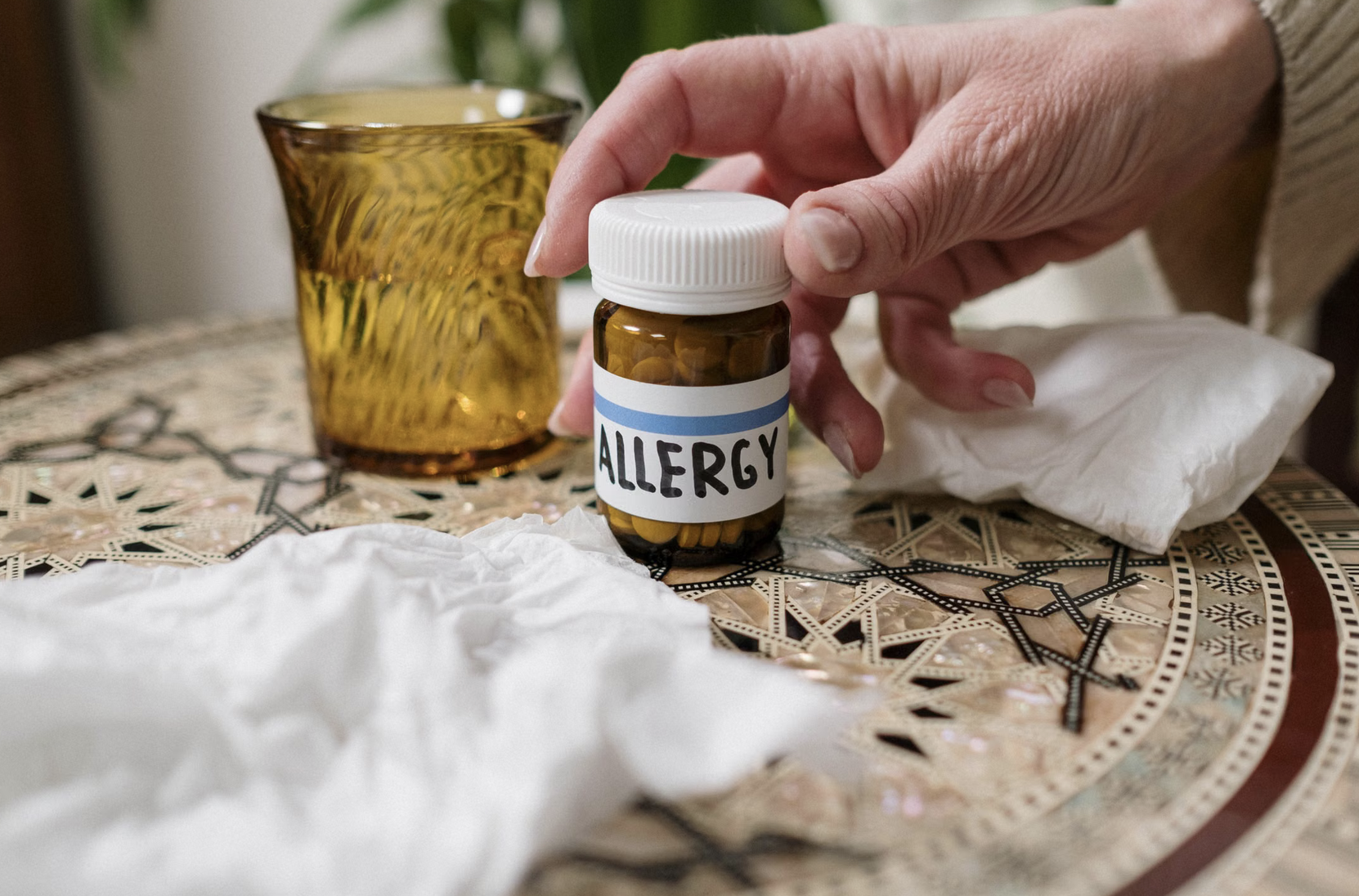
Antihistamines can help manage symptoms such as sneezing, itching and a runny nose, while nasal corticosteroid sprays are considered among the most effective treatments for allergic rhinitis. Speak to a doctor or pharmacist about which treatment is appropriate for you, particularly if symptoms are persistent or affecting your everyday life.
- Know when to get help
Allergies can affect more than just your nose and eyes. If symptoms are interfering with your sleep, concentration or daily activities, speak to a healthcare professional. Allergy symptoms can also worsen asthma and cause breathing difficulties. A healthcare professional can help identify possible triggers and recommend appropriate treatment or testing.
While it may not be possible to avoid pollen completely during South Africa’s long allergy season, knowing your triggers and taking steps to limit your exposure can make spring and summer a lot more manageable.
Related Story: Siv Ngesi Offers To Replace Deaf Matric Student’s Hearing Aids After Spring Day Incident




news via inbox
Subscribe To Stay Updated