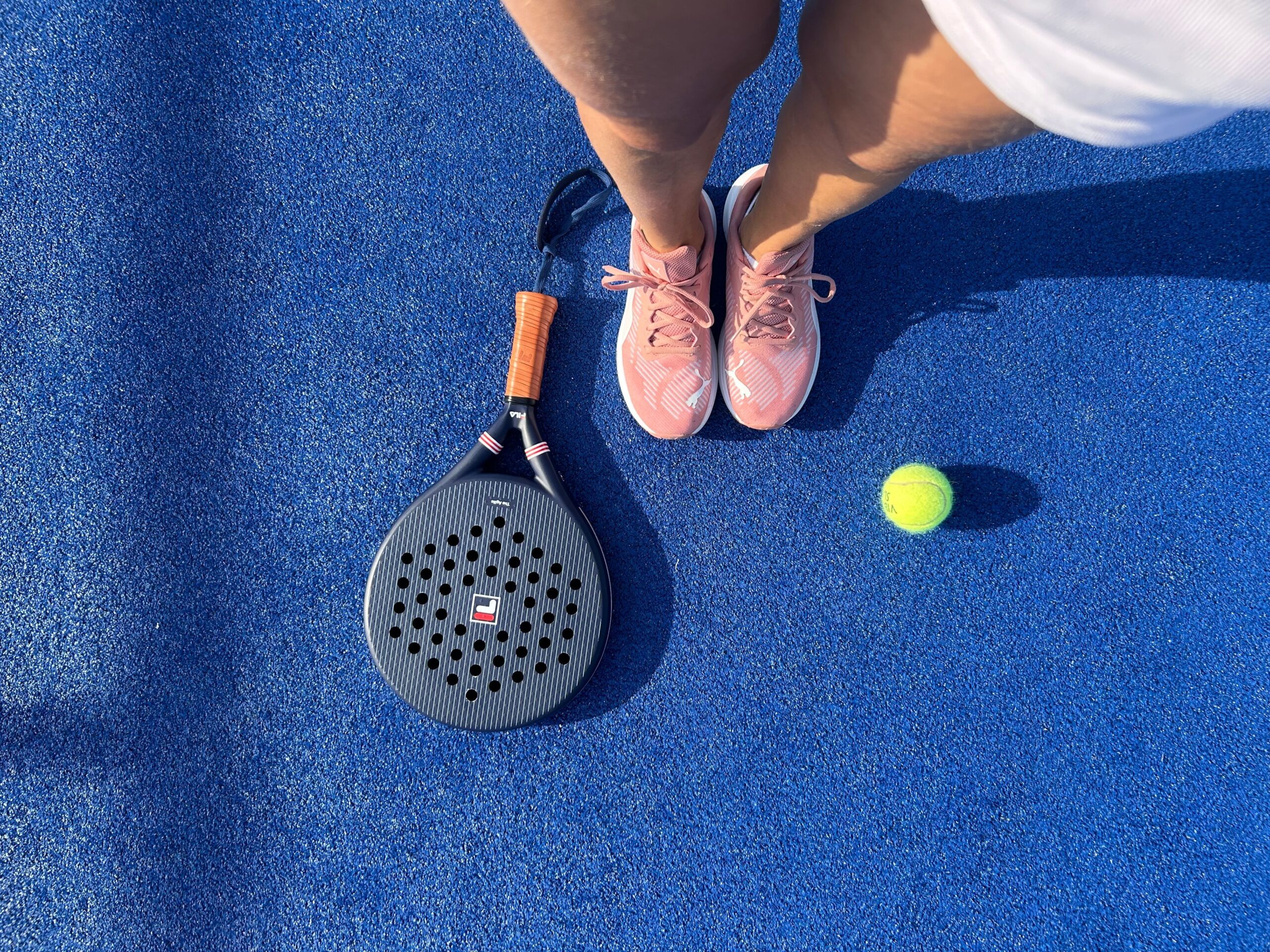
Why Padel Is the World’s Fastest-Growing Sport and Why Everyone Is Playing It
Not long ago, padel was a sport few people had heard of outside parts of Europe and Latin America. Today, it’s one of the fastest-growing sports in the world, with new courts opening almost weekly and players of all ages picking up a racquet for the first time.
In South Africa, the sport has experienced remarkable growth over the past few years, becoming a favourite for everyone from weekend social players to elite athletes looking for a fun way to stay fit.
Part of padel’s appeal is that it doesn’t demand years of experience before you can enjoy it. The game combines elements of tennis and squash and is played in doubles on a smaller enclosed court where the surrounding glass walls are part of the action. The rules are simple enough for beginners to grasp in a single session, but the fast rallies and tactical play keep even experienced players coming back.
Invented in Mexico in 1969, padel has since spread across Europe, the Middle East and Latin America before finding a loyal following in countries like South Africa. Its popularity has been fuelled by more than just entertaining gameplay. Unlike many sports that can feel intimidating to newcomers, padel is designed to be social. Because it’s usually played in pairs, conversations flow just as easily as the rallies, making it as much about spending time with friends as it is about competition.
Health experts say padel delivers an impressive full-body workout while feeling more like recreation than exercise. Every match involves constant movement, quick bursts of speed and rapid changes in direction, helping to elevate the heart rate and improve cardiovascular fitness. Regular aerobic activity has long been associated with a lower risk of heart disease, high blood pressure and stroke, making sports like padel an enjoyable way to support long-term health.
The benefits don’t stop at the heart. A typical game engages nearly every major muscle group. Players rely on their legs to cover the court, their core to stay balanced and stable, and their shoulders, arms and wrists to control shots and generate power. The repeated movements also sharpen agility, coordination and reaction time, skills that naturally decline with age if they are not regularly challenged.
For those trying to maintain a healthy weight, padel offers another advantage. Depending on the intensity of play and individual factors such as age and body weight, a recreational match can burn hundreds of calories. Unlike repetitive gym workouts, however, the competitive and social nature of the game often means players are so engaged that they hardly notice how much exercise they’re getting.
Mental wellbeing is another reason people are embracing the sport. Physical activity stimulates the release of endorphins, the body’s natural mood boosters, while the combination of movement, fresh air and social interaction can help reduce stress and improve overall wellbeing. Research consistently shows that regular exercise can lower symptoms of anxiety and depression while supporting better mental health.
The smaller court requires less running than traditional tennis, making it easier on the joints and more accessible for children, older adults and people returning to exercise after a break. At the same time, the unpredictable rebounds off the glass walls challenge players to think quickly, improving balance, hand-eye coordination and reflexes with every match.
It’s this unique mix of accessibility, fitness and fun that has transformed padel from a little-known racquet sport into a global phenomenon. For many players, it starts as something to try with friends but quickly becomes the highlight of the week.
Related:




news via inbox
Subscribe To Stay Updated